


America’s national parks are renowned for their natural beauty, unique features and diverse wildlife. That was true for Mackinac National Park, too, with one addition: There also were lots and lots of cows!
That’s right. Now a car-free destination where the horse is king, Mackinac Island for much of the 19th century was overrun by bovines. In fact, one historian writes in his account of the national park’s 20-year run that cows “were a true menace” that trampled vegetation, blocked roadways and “fouled the otherwise refreshing Mackinac air” with the stench of their dung.
Wildlife in Mackinac Island State Park
On this 150th anniversary of Mackinac National Park, let’s take a closer look at both the wildlife and the domesticated animals that can be seen on the island today. For starters, Mackinac Island State Park is home to a variety of land animals including squirrels, chipmunks, raccoons and rabbits as well as muskrats, weasels and foxes. You might also catch sight of a deer. (Did you know there was a Deer Park on Mackinac Island during the first half of the 1900s?) On occasion a coyote or bobcat will cross over to the island in the winter when the surrounding water is frozen.
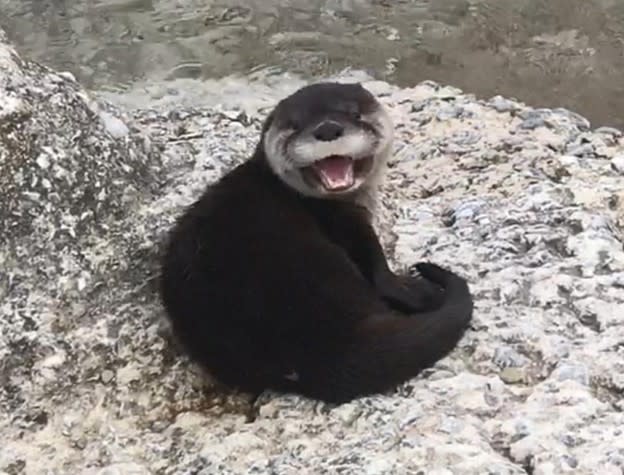
In the water on and around Mackinac Island are lots of turtles, frogs, snakes and, of course, fish. Minks and otters also can be seen playing along the shore, as well as ducks and seagulls.
In the skies above Mackinac Island State Park are many bird species, from warblers and finches to woodpeckers and owls. Each spring and fall you can see falcons, eagles and other kinds of raptors passing through Mackinac Island on their migration routes.
Butterflies also are a common sight on Mackinac Island, both outdoors and inside at two conservatories: Wings of Mackinac and The Original Mackinac Island Butterfly House.
- Migrating raptors are another reason to visit Mackinac Island in the spring
- Guide to birding on Mackinac Island
What Happened To All The Cattle?
From “The King’s Cattle” that supplied meat and dairy to Fort Mackinac in the years of British occupation to working oxen in the fields and livestock owned by everyday residents, there were many cows on Mackinac Island in the late 18th and 19th centuries. One visiting doctor noted in 1835 that “there are more cows in Mackina than in any other place of its size in the known world, and every cow wears at least one bell.”
In fact, there was a place called Cow Bell Point where it was said that people could hear cow bells from anywhere on Mackinac Island. One prominent visitor even decided against building a summer home on Mackinac Island because of what he called the “cowbell nuisance!”
By the time Mackinac National Park was established in 1875, cows roamed freely around the island. There were so many cows wandering around that park authorities enacted regulations to discourage stray cows and prevent grazing in certain areas.
But as times changed and the beef and dairy industry evolved, there was less and less need for cows on Mackinac Island. Within just a few decades, by the turn of the 20th century, two of the primary cow pastures on Mackinac Island had been converted into golf courses: The Jewel Golf Course at Grand Hotel and Wawashkamo Golf Club. There are now cows on the island today.
RELATED MACKINAC ISLAND BLOGS: